

A yard can feel full of promise and frustration at the same time. You might see uneven ground, stubborn puddles, or fragile grass that gives up every summer. A landscape architect steps into that scene with a trained eye and a steady plan. Their role blends landscape architecture, science, and care for the land, helping a property move toward a healthier, more balanced space that feels good to live with.
Every landscape design project starts with close attention to the site, the soil, the slope, the patterns of water flow, and the life already present. This careful focus allows practical solutions to grow out of real conditions, not guesswork.
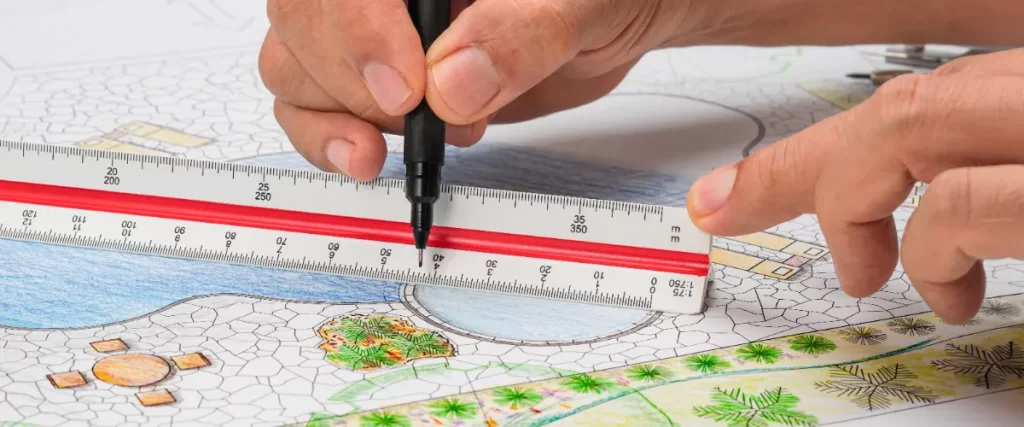
Reading the Yard and Respecting Its Limits
Before any sketch or construction begins, a landscape architect studies the yard as it exists today. The existing lawn, mature trees, exposed dirt, and even worn paths tell a story about how the land behaves through seasons and storms.
They look for clues such as compacted soil, erosion marks, weak roots, and drainage issues near the house. These details shape the first steps of planning. In most cases, understanding how moisture moves and where excess water settles reveals the core problem that needs to be solved.
Managing Water and Drainage Issues with Care
Stormwater runoff can quietly damage a property. It washes away organic matter, weakens foundations, and turns gardens into soggy patches. When runoff becomes a safety risk, calm and methodical design choices bring relief.
Landscape architects often introduce features that guide water flow instead of fighting it, such as:
- French drain
- Rain gardens
- Gravel paths that absorb moisture
- Swales that slow runoff
A well-placed French drain channels excess water away from high-traffic areas and fragile roots. Rain gardens filled with native plants and grasses help the soil filter and reuse water naturally. These approaches support the land and allow plants to thrive while protecting patios, lawn areas, and outdoor spaces.
Stabilizing Steep Slopes and Preventing Erosion
Steep slopes pose one of the most common and frustrating challenges. Soil slips, grass struggles, and hard rain accelerate erosion. A landscape architect brings structure and stability to these spaces through retaining walls, terraces, and careful grading.
Retaining walls reshape a slope into levels that support planting and safe access. They reduce water speed and protect the earth from being washed away. When paired with shrubs, native plants, and climbing plants, these walls become part of a cohesive look rather than an intrusion.
On gentler slopes, ground cover plants and grasses anchor the soil and maintain nutrients. The goal stays consistent: to create lasting beauty and reliable support for the land.
Protecting Mature Trees and Encouraging Healthy Growth
Mature trees carry memory and life across a property. Their roots help stabilize soil, shade lawns, and cool outdoor spaces. A landscape architect respects these trees and builds designs that complement their presence.
Construction near tree roots requires careful planning. Heavy equipment, soil compaction, and wrong plant selection can weaken even strong trees. Through thoughtful spacing and soil improvement with compost and organic matter, trees remain healthy while new garden ideas take shape around them.
In some projects, climbing plants soften hardscape elements and add life to fences and walls. The design supports long-term growth without crowding or stress.
Solving High Traffic Area Wear
Areas that see constant use, such as side paths, front yard walkways, and spots near patios, often lose grass and become muddy. These worn zones benefit from solutions that balance durability with beauty.
A landscape architect may recommend stone paths, gravel beds, or pavers arranged to direct foot traffic naturally. These features preserve surrounding plants and enhance access without damaging the soil beneath.
Design choices for these zones often include:
- Hardscape surfaces that reduce compaction
- Edging that defines the walking space
- Low-maintenance plants for borders
The result feels welcoming and functional, without sacrificing the natural sense of a garden.
Creating Balance Between Hardscape and Softscape
A thoughtful landscape design project brings harmony between constructed elements and living greenery. Patios, fences, retaining walls, and pathways work alongside flower beds, shrubs, and trees to shape a balanced environment.
This blending of hardscape and natural elements gives the yard structure and warmth. A landscape architect plans how each part supports the other, giving the space a clear identity and flow that feels grounded.
There is beauty in the way stone meets soil and in how flowers soften the edges of structural design.

Designing for Extreme Weather Conditions
Extreme weather tests every part of a yard. Heavy rains, heat waves, drought, and freezing temperatures challenge plants and soil stability. Landscape architects plan with these realities in mind.
They choose native plants that adapt to local climate shifts and require less maintenance. Soil improvement with compost and organic matter increases the land’s resilience. Proper drainage keeps roots safe from constant moisture.
The answer to these challenges lies in steady preparation and long-term planning, ensuring the garden continues to bring life to the property through changing seasons.
Thoughtful Plant Selection for Long-Term Health
Plant selection shapes how a garden grows and survives. The right plants support soil health, attract beneficial life, and reduce the need for constant intervention.
A landscape architect considers:
- Climate-tolerant species
- Native flowers and shrubs
- Plants that support pollinators
- Grasses suitable for the slope
This careful planning helps the entire landscape feel connected. The plants align with the site’s needs and allow the environment to breathe and renew itself naturally.
Crafting Spaces for Relaxation and Daily Living
Outdoor spaces extend the comfort of the house into the land around it. Patios, ponds, and shaded garden corners become places for calm and connection. A well-structured plan gives these spaces intention and warmth.
Designing outdoor areas requires attention to light, access, and privacy. Paths guide movement through the space. Fences define without closing the yard off. Every detail carries purpose and care.
The aim stays focused on creating spaces that feel natural and inviting, supporting daily life with gentle ease.
Building a Cohesive Look That Reflects the Property
A cohesive look ties the entire landscape together. The front yard, gardens, lawn, and patios flow into one thoughtful composition. The landscape architect ensures every element makes sense in relation to the house and the surrounding land.
This sense of unity comes from consistent materials, balanced plant choices, and a clear vision. The property gains character without feeling cluttered or forced.
Planning connects ideas across the site so that no corner feels forgotten.
Maintenance Planning that Supports Lasting Beauty
Even the most stunning landscape needs care. Maintenance planning helps protect the time, effort, and investment behind every project.
A landscape architect guides homeowners through realistic maintenance routines, such as:
- Seasonal pruning and trimming
- Soil enrichment
- Irrigation adjustments
- Weed control strategies
These steps keep the yard healthy and visually appealing without unnecessary stress or confusion. The process feels manageable and clear.
A Collaborative Approach to Problem Solving
A landscape architect listens closely to the homeowner’s vision and concerns. Each project becomes a shared effort where ideas and practical solutions align. The design evolves through open communication, patience, and careful thought.
This collaborative spirit supports long-lasting results and a more meaningful relationship with the land. Every solution respects the property’s natural shape and character.
When Complexity Feels Overwhelming
A yard with persistent drainage problems, steep slopes, erosion, and struggling plants can feel overwhelming. The list of possible fixes grows fast, and the sense of where to begin fades. At this point, turning to professional guidance feels understandable.
Many homeowners reach a moment where they realize their time and energy would be better spent enjoying their space rather than troubleshooting every corner. Working with a skilled landscape architect simplifies the process and leads to dependable results.
If you find yourself at that point, you may feel more comfortable letting a trusted team handle the planning, design, and execution. You can call us at (720) 580-3677 or message us here and explore how a landscape architect solves complex yard challenges.