

You spent good money on those beautiful new plants for your yard. You watered them, admired them, and then watched in horror as they started wilting, turning yellow, or just flat-out dying within weeks. Sound familiar? You’re not alone.
Most homeowners face this frustrating problem at some point, and plants dying in new landscapes happen way more often than they should. The good news is that once you understand what’s going wrong, you can actually prevent it.
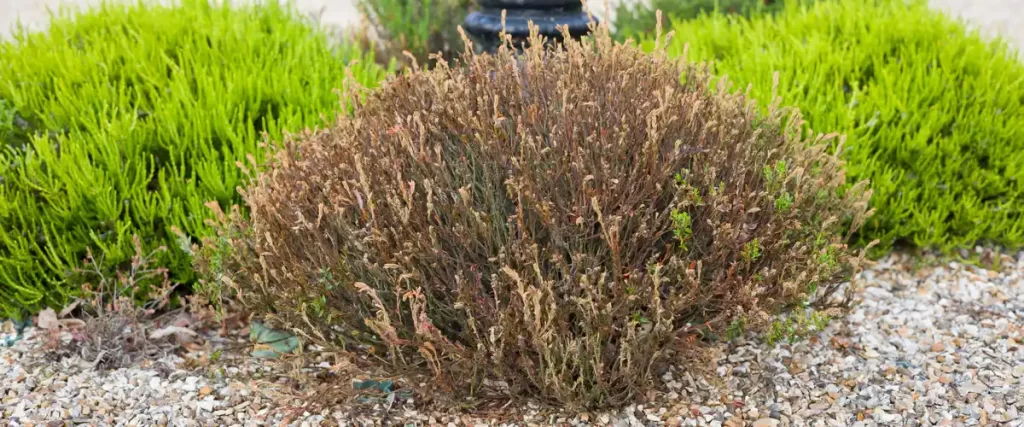
4 Common Reasons Your New Plants Keep Dying
Before we get into the details, here’s a quick overview of what’s usually going wrong with those ailing plants:
| Reason | Signs | Solution |
| Overwatering | Yellow leaves, mushy stems, root rot | Water less frequently, improve drainage |
| Incorrect Sunlight Level |
| To get less sunlight, move to a shaded area or add temporary protection. For more sun, relocate to a brighter spot. |
| Root Bound | Stunted growth, water runs right through the pot | Loosen roots before planting |
| Poor Soil | Slow growth, nutrient deficiencies | Amend with compost, test pH |
1. Overwatering: The Main Reason New Plants Fail
Here’s something that surprises most plant owners: you’re probably killing them with kindness. Overwatering causes more plant deaths than any other factor, hands down.
When you water too much, the soil stays constantly wet. The roots can’t breathe. They literally suffocate and start to rot, which means your plant can’t take up water even though it’s sitting in soggy soil. You’ll notice wilting leaves, yellowing, and eventually the whole plant collapses.
Poor drainage makes this worse. If your soil is heavy clay or your planting area doesn’t drain well, water just sits there. The roots sit in what’s basically a swamp, and root rot sets in fast. We’ve seen beautiful new plants completely destroyed in a week because of standing water.
How do you avoid this? Let the soil dry out between waterings. Stick your finger down about 2-3 inches into the soil. If it’s still moist, don’t water.

2. Too Much or Too Little Sun
Plants have specific light requirements, and ignoring them is asking for trouble. Some plants love full sun and will thrive in 6+ hours of direct sunlight. Others need shade, or they’ll burn up. Put a shade-loving hosta in full sun, and you’ll have crispy brown leaves within days.
The tricky part? What looks like “part shade” to you might actually be too much sun for certain species. And that spot you thought got enough light? It might only get 2 hours of actual direct sunlight, which isn’t enough for most flowering plants.
Pay attention to your plant’s leaves. If they’re bleaching out, getting brown edges, or wilting even when the soil is moist, you might have a light problem. On the flip side, if your plant is getting leggy with lots of space between leaves and the color looks pale, it needs more light.
3. Root-Bound Plants and Transplant Shock
Ever bought a plant from the nursery and found the roots circling around and around the pot in a tight mass? That’s a root-bound plant. If you stick it in the ground without fixing those roots, you’re setting it up to fail.
Here’s what you need to do: before planting, rough up those roots. Use your fingers or a knife to score the root ball vertically in a few places. Gently tease apart the circling roots at the bottom. Yes, you’ll damage some roots, but that’s way better than leaving them in their death spiral.
Transplant shock is another issue. When you move a plant from a pot to the ground, or from one location to another, it experiences stress. The roots get disturbed, growing conditions change, and the plant needs time to adjust. During this period, regular watering (not overwatering) is critical. Consistent moisture helps those roots recover and start growing into their new home.
4. Poor Soil That Spells Trouble
Your soil is either helping your plants or slowly killing them. There’s not much middle ground here.
Compacted soil is a huge problem in new landscapes, especially if you’ve had construction work done recently. Heavy equipment compresses the soil so much that roots can’t penetrate it. Water can’t drain. Air can’t circulate.
According to the USDA Natural Resources Conservation Service, soil compaction reduces pore space and limits root development, which directly impacts plant health and survival.
The pH level matters too. Some plants need acidic soil, while others prefer alkaline soil. Get it wrong, and your plant can’t absorb nutrients even if they’re present in the soil. Azaleas in alkaline soil will show yellow leaves with green veins, a classic sign of iron deficiency caused by pH problems.
Add compost to improve soil structure and provide slow-release nutrients. It helps with drainage in clay soils and improves water retention in sandy soils.
If you’re planning a new landscape design, working with professionals like us at Land Designs by Colton who understand local soil conditions can save you from these headaches.
How to Save a Dying Plant
If you’ve already got a struggling plant, you might be able to revive it.
First, figure out what’s wrong. Look at the symptoms: yellow leaves often mean overwatering or nutrient problems, brown crispy leaves suggest too much sun or underwatering, and wilting can mean either too much or too little water.
Stop fertilizing if the plant is stressed. Occasional fertilizer is fine for healthy plants during the growing season, but feeding a dying plant is like forcing a sick person to run a marathon. Let it recover first.
Sometimes you need to repot a rootbound container plant. Other times, moving the plant to a better location saves its life. And yeah, sometimes despite your best efforts, the plant is just too far gone, and it’s time to start over with something better suited to your conditions.
Don’t Ignore Your Plant’s Natural Needs
Plants evolved in specific environments. You can’t just plunk a tropical plant in your garden and expect it to survive winter if you live somewhere with freezing temperatures.
Pests can also take advantage of stressed plants. Spider mites, aphids, and other insects attack plants that are already weakened by poor growing conditions. Healthy plants in the right environment can usually fend off these problems. Regularly check your plants for signs of pests, especially on the undersides of leaves.
The watering schedule needs to change with the seasons, too. What works during the growing season in spring and summer won’t work in fall and winter when plants need less water. Adjust based on temperature, rainfall, and your plant’s condition.
Frequently Asked Questions
Why do houseplants die faster than outdoor plants?
Indoor gardening presents unique challenges because you’re controlling everything artificially. Air vents create dry conditions, windows filter light differently than you’d expect, and it’s really easy to overwater since there’s no natural rainfall or wind to dry things out. Plus, containers with poor drainage trap water, creating ideal conditions for root rot.
Can I save a plant with root rot?
Maybe. If you catch it early, you can trim away the rotted roots (they’ll be brown and mushy instead of white and firm), repot in fresh soil with good drainage, and cut back on watering. If more than half the root system is gone, the plant probably won’t survive.
How often should I water newly planted landscape plants?
For the first few weeks, you’ll need to water every 2-3 days, depending on weather and soil type. After that, gradually reduce frequency but water more deeply. The goal is to encourage roots to grow down into the soil rather than staying shallow. Hot weather means more frequent watering, rainy periods mean you might not need to water at all.
Why do my plant’s leaves turn brown at the tips?
Brown leaf tips usually mean one of three things: underwatering, too much fertilizer (salt buildup), or low humidity. For outdoor plants, it’s often a watering issue or exposure to too much sun. Indoor plants frequently develop brown tips from dry air near heating vents or air conditioning.
Let the Professionals Handle It
Keeping new landscape plants alive takes time, knowledge, and, honestly, a lot of trial and error. This is where working with experienced landscape professionals makes sense.
We know which plants will actually thrive in your yard, not just survive. We understand local soil and climate conditions. We’ll install everything correctly the first time, so you won’t have to deal with root-bound plants or poor drainage.
If you’re ready to stop watching your investment wither away and want a landscape that actually lives up to its potential, call us at (720) 580-3677 or message us here. We’ll create a landscape that thrives, not one that struggles to survive.