

Planting trees is one of the smartest things a Denver homeowner can do, and most people only think about shade.
But the benefits of planting trees go well beyond staying cool on a hot July afternoon. Trees clean the air, support wildlife, reduce your energy bills, protect your soil, and even add measurable value to your home.
The Nature Conservancy puts it plainly: trees are one of the most cost-effective tools cities and homeowners have for improving quality of life.
Why Are Trees Important in Denver?
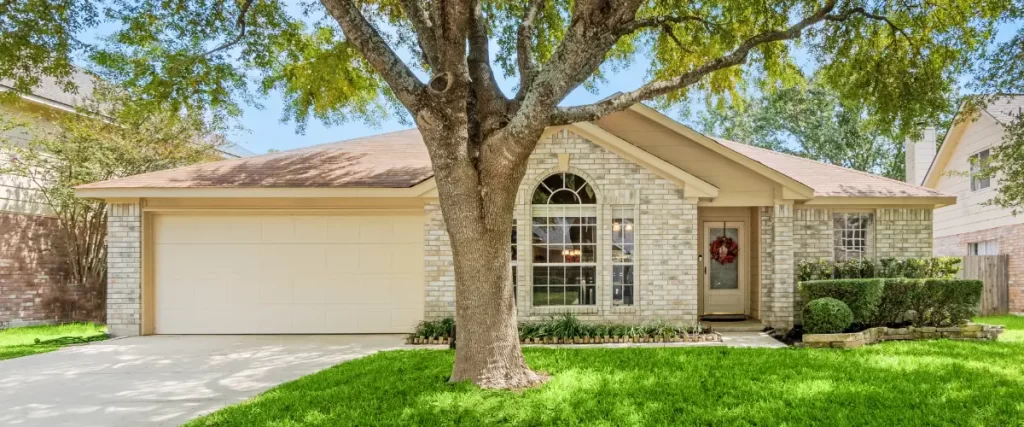
Our climate makes tree selection and placement genuinely strategic. We get intense sun, dry spells, clay-heavy soils, and the occasional heavy spring storm.
The right trees, planted in the right spots, work with all of that rather than against it.
Here’s what they’re actually doing for you.
1. Trees Clean the Air You Breathe
Denver residents are familiar with ozone action days and high-AQI alerts, especially heading into summer.
Trees help. A single mature tree can absorb a meaningful amount of carbon dioxide annually while releasing oxygen in return.
Beyond CO2, trees act as natural filters, capturing sulfur dioxide, nitrogen oxides, and particulate matter on their leaf surfaces before those pollutants reach you.
The environmental benefits of trees in this regard are well-documented. The U.S. Forest Service has tracked how urban trees reduce air pollution at the neighborhood level.
Every tree you add to your yard is a small but real contribution to cleaner air.
2. Trees Support Your Mental and Physical Health

Research suggests that spending time around trees and green spaces measurably reduces stress, lowers blood pressure, and improves overall sense of wellbeing.
The social benefits of trees extend beyond the individual, too.
Neighborhoods with healthy tree canopies tend to have stronger community connections, more time spent outdoors, and lower reported anxiety. For families with kids, that matters a lot.
A yard with well-placed trees becomes a place people actually want to spend time. That changes how you use your outdoor space entirely.
Custom garden design done thoughtfully (with trees as anchors rather than afterthoughts) gets used so much more than a purely functional yard.
3. Trees Support Wildlife
A tree in your yard is more than landscaping. It’s a functioning part of the local ecosystem.
Native trees especially support birds, pollinators, and small mammals that depend on Colorado’s plant communities.
Here’s a quick look at what different tree types tend to attract:
| Tree Type | Wildlife Supported |
| Native oaks and cottonwoods | Cavity-nesting birds, squirrels, beetles |
| Fruit-bearing trees (serviceberry, chokecherry) | Songbirds, bees, butterflies |
| Conifers (spruce, pine) | Year-round bird shelter, small mammals |
| Flowering ornamentals | Pollinators, hummingbirds |
Incorporating native trees into your landscape is something we take seriously at Land Designs by Colton.
Our approach to landscape design and installation builds biodiversity from the start, so every element, from groundcover to canopy, serves a purpose in the larger ecosystem of your yard.
4. Trees Cool Your Property and Lower Your Energy Bills
Colorado summers are bright and intense. The benefits of trees in urban areas are especially visible here. Tree canopies can keep neighborhoods several degrees cooler than nearby exposed pavement and rooftops.
Strategically placed trees on the south and west sides of a house reduce cooling costs substantially. Shading homes from direct afternoon sun means your air conditioning runs less.
Roots and canopies also contribute to a cooling effect through water evaporation, making them natural air conditioners.
In winter, the same trees planted as windbreaks on the north and northwest cut heating costs by blocking cold Front Range winds. So, the energy savings run all year.
5. Trees Filter Water and Protect Soil
Denver’s spring storms can be intense. Runoff moves fast across hard, clay-heavy soil, carrying sediment and pollutants toward storm drains and waterways.
Tree roots slow that process considerably.
They break up compacted soil, allowing water to absorb rather than sheet off. Trees also help recharge groundwater supplies by directing rainfall deeper into the soil profile.
The roots act as natural filters, removing heavy metals and other pollutants from water before it moves through the ground.
Other benefits of trees for water and soil:
- Reduce erosion on sloped yards
- Improve soil structure over time
- Minimize standing water after heavy rain
- Support the natural water cycle at a local level
Pairing trees with a well-designed irrigation system maintenance plan makes a real difference. Newly planted trees need consistent moisture to establish strong roots, and a properly calibrated system means they get what they need without waste.
6. Trees Boost Property Value
Mature trees add real, appraised value to residential properties. Studies consistently show that well-maintained trees boost property values by 5-15%, depending on size, placement, and species.
A newly planted tree won’t do that overnight, but within a few years, a thoughtfully placed tree becomes an asset a buyer can see and appreciate.
Newly planted trees begin providing benefits for the buyer immediately. They start filtering air, supporting wildlife, and reducing surface temperatures long before they reach maturity.
The importance of trees to long-term property value is something many homeowners underestimate.
Take xeriscape landscaping in Denver, for example. When drought-adapted trees are paired with low-water plantings as part of a cohesive design, the property value benefit compounds.
FAQ: Tree Planting Benefits in Denver Yards
What are the benefits of planting trees in a Colorado yard?
The benefits include better air quality, energy savings, stormwater management, wildlife habitat, mental health, and property value. In Denver specifically, trees address real local challenges, including heat, dry spells, clay soil drainage issues, and periodic air quality concerns.
Why do we need trees in urban neighborhoods?
Urban trees absorb carbon dioxide, filter air pollutants, manage stormwater, cool pavement and buildings, and support biodiversity. In dense neighborhoods, even a few well-placed trees make a measurable difference in livability.
Why are trees important to humans?
Trees benefit human well-being. Research links green spaces and tree canopy to lower stress, reduced blood pressure, and stronger neighborhood community bonds.
How soon after planting do trees start providing benefits?
Right away. Newly planted trees absorb carbon dioxide, support soil health, and provide partial shade. Full canopy and energy-saving benefits take several years, but the process starts from day one.
Do trees work well in a xeriscape design?
Absolutely. Native and drought-adapted trees fit naturally within a xeriscape approach. Once established, many Colorado-appropriate trees are remarkably low-water. Their canopies actually reduce moisture loss in surrounding plantings.
Why are trees important for property value?
Size, health, and placement are the key factors. A mature, well-maintained tree in a visible location, especially one that shades the home, has documented appraisal value. Professional placement from the start pays off years down the road.
Ready to Put These Benefits to Work in Your Yard?
Understanding the importance of planting trees is one thing. Knowing which species fits your soil, how to space them for maximum shade and energy efficiency, and how they’ll work within a larger landscape plan is a different conversation entirely.
That’s exactly what we do at Land Designs by Colton. Tree placement is part of our design strategy, not an afterthought. In fact, xeriscape landscaping in Denver and thoughtful tree placement go hand in hand. We’ll plan your tree canopy alongside your low-water plantings from day one so the whole yard works as a system.
If you’re thinking about a landscape refresh this season, whether that includes trees, a full xeriscape, or something in between, let’s talk. Call us at (720) 580-3677 or message us here.