

Colorado offers a landscape that commands respect. The rugged mountains, the sweeping plains, and the distinct four seasons create a backdrop that is as challenging as it is beautiful. Living here means understanding that nature interacts with our homes every day. A sustainable landscape architect sees this interaction as an opportunity for partnership.
We look at the land and see potential. The goal involves creating outdoor spaces that thrive in our unique climate without draining natural resources. This approach requires a deep understanding of ecology, engineering, and design.
The Core Philosophy of Sustainable Design
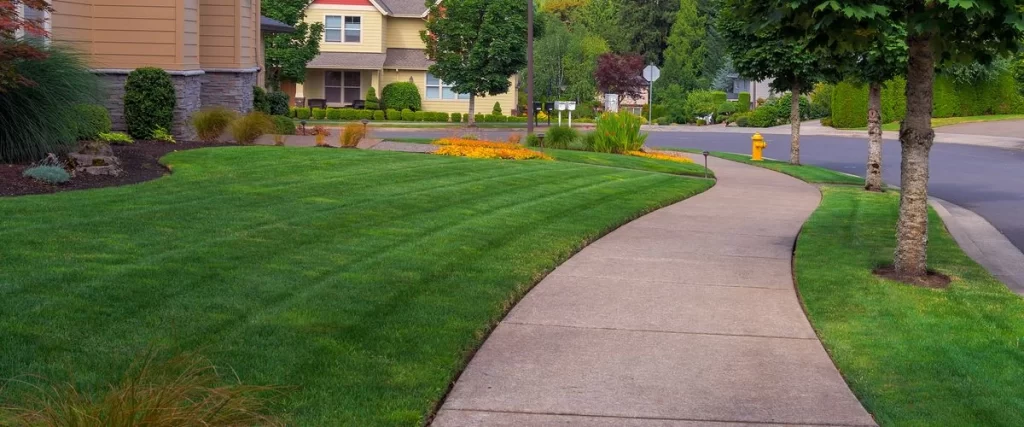
True sustainability starts with a shift in perspective. We move away from imposing a specific look on a site. We look at what the site wants to be. This practice acknowledges that every piece of land has a history and a specific set of conditions.
A sustainable landscape architect studies the sun angles, the wind patterns, and the flow of water across the property. We look at the soil composition to see what it can support. This data informs every decision.
The result is a design that feels settled. It belongs to the environment. These landscapes require less energy to maintain because they work with local systems. They show resilience against the sudden weather shifts we experience in this region.
Embracing Native Vegetation
The plants we choose act as the living skin of the landscape. In the past, landscaping often meant forcing exotic species to survive in Colorado’s semi-arid climate. This required massive amounts of water and chemical fertilizers.
We focus on native species. These plants have spent thousands of years adapting to our altitude and soil. They know how to survive a late snowstorm in May and a heatwave in July. Using native plants supports biodiversity effectively.
- Native grasses anchor the soil and prevent erosion with their deep root systems.
- Wildflowers provide essential nectar for local pollinators like bees and hummingbirds.
- Shrubs offer shelter and food for birds during the long winter months.
The methods used in sustainable landscape design vary based on the microclimate of your specific yard. A south-facing slope requires drought-tolerant plants that love the sun. A north-facing area under pine trees needs vegetation that thrives in acidic soil and shade.
Water Conservation Strategies
Water serves as our most precious resource in the West. A conventional lawn consumes thousands of gallons of potable water every summer. We aim to reduce that consumption significantly.
We employ strategies like rainwater harvesting to capture precipitation from roofs. This water can be stored or directed immediately to where it is needed most. Rain gardens are another effective tool. These depressed areas in the landscape collect runoff during storms. They allow the water to soak slowly back into the ground rather than rushing into storm drains.
This process creates a passive irrigation system. It filters pollutants and improves overall water quality before the water returns to the aquifer. We design highly efficient irrigation systems. Drip lines deliver water directly to the base of the plant. Smart controllers adjust watering schedules based on real-time weather data.
Soil Health and Carbon Sequestration

Healthy soil acts as the foundation of any successful project. Over time, construction and neglect strip the soil of its life. We focus on regenerating the earth beneath our feet.
We add organic matter to improve texture and water retention. We avoid synthetic chemicals that harm the microscopic life in the dirt. Healthy soil is full of bacteria, fungi, and small organisms that cycle nutrients to the plants.
This approach turns your yard into a carbon sink. Healthy soil and robust vegetation pull carbon dioxide from the atmosphere and store it in the ground. This contributes to mitigating the effects of climate change on a local level.
Selecting Durable Building Materials
Hardscaping gives a landscape its form. The patios, walkways, and retaining walls define how we move through the space. Sustainable landscape architecture considers the lifecycle of the materials we use.
We prioritize local stone. Using materials quarried nearby reduces the transportation emissions associated with shipping heavy rock across the country. It ensures the aesthetic matches the natural geology of the area.
We also look for permeable paving options. Traditional concrete creates a barrier that water cannot penetrate. Permeable pavers allow water to pass through the surface and into the soil. This reduces icing in the winter and helps recharge the groundwater.
Creating Wildlife Habitats
As our communities expand, natural habitats shrink. Our backyards can serve as vital corridors for wildlife. A sustainable landscape is a shared space.
We design with the local fauna in mind. We leave seed heads on flowers through the winter to feed foraging birds. We incorporate rock piles or dense thickets to provide safety for small mammals.
- Pollinator gardens are planted with specific blooms that open at different times of the season.
- Water features provide a necessary drink for wildlife during dry spells.
- Tree canopies offer nesting sites and shade for temperature regulation.
This diversity brings life to the garden. You get to watch the ecosystem function right outside your window. It connects you to the rhythm of nature.
Fire-Wise Landscaping
In Colorado, wildfire is a reality we must plan for. Sustainable design includes fire mitigation. This involves making smart choices about plant placement and maintenance.
We create defensible space around structures. We choose plants with high moisture content and low sap production for areas closest to the home. We design breaks in vegetation to slow the spread of fire.
Pruning trees to lift the canopy and removing dead material are standard maintenance practices that improve safety. A sustainable landscape respects the potential for fire while maintaining beauty.
The Human Connection
We design these spaces for people. A landscape must be functional. It needs to serve the lifestyle of the homeowners.
Outdoor spaces act as extensions of the living room. They are places to gather, to cook, and to rest. We create areas of privacy and areas for play. We use trees and structures to block wind and provide shade, which lowers the energy costs of cooling the home in summer.
Gardens can also be a source of food. Integrating edible plants into the landscape provides fresh produce and connects the family to the source of their nutrition. Maintaining a vegetable garden or a few fruit trees is a rewarding way to interact with the land.
The Long-Term View
A landscape is never finished. It grows and changes. Sustainable landscape design anticipates this evolution. We plan for the mature size of trees so they do not crowd the house ten years down the road.
We design for low maintenance. Engagement with the garden is part of the joy of ownership, but the tasks should not be burdensome. We want you to spend more time enjoying the space than working in it.
By building with durable materials and choosing the right plants, we reduce the waste associated with replacing dead vegetation or crumbling structures. This longevity is a key component of sustainability.
Enhancing Property Value
Sustainable landscapes add significant value to a property. They improve curb appeal with their unique textures and colors. They solve drainage issues that could otherwise damage the home’s foundation.
Buyers increasingly look for homes with energy-efficient features. A yard that requires little water and lowers cooling costs serves as a strong selling point. It shows that the property has been cared for with thought and intention.
A Responsibility to the Future
We view our work as a form of stewardship. We borrow the land for a short time. Our goal is to leave it in better condition than we found it.
Every rain garden we dig and every native tree we plant contributes to a healthier environment. These small pockets of sustainability link together to create more resilient neighborhoods. They cool our cities and clean our air.
The beauty of a sustainable landscape lies in its authenticity. It looks like it belongs in Colorado. It reflects the colors of the sagebrush and the texture of the granite. It creates a sense of place that grounds us.
Making the Vision Reality
Transforming a yard into a sustainable ecosystem takes physical effort and careful planning. You have to analyze the soil, calculate runoff rates, and select plants that will thrive in your specific microclimate.
Some homeowners enjoy the research and the labor. They find satisfaction in amending the soil and laying the stone themselves. For others, the complexity of creating a fully integrated system can be overwhelming.
If you want a yard that supports the local ecology and lowers your resource footprint, you need a partner who understands the science and the art of the Colorado environment.
The journey from initial concept to final planting requires specialized expertise, which is why working with a professional sustainable landscape architect is so valuable. If you prefer to watch the hummingbirds visit your new garden while Land Designs by Colton handles the complexities of sustainable design and installation, we are here to help. You can easily reach us to start creating a space that honors the land, so call us at (720) 580-3677 or message us here.