

Smart landscaping tips can transform even the most basic outdoor space into something you’re actually proud of.
Whether you want to boost curb appeal or create a backyard retreat, these practical landscaping techniques will help you get there.
Let’s explore ten ways to level up your landscape without breaking the bank or losing your weekends.
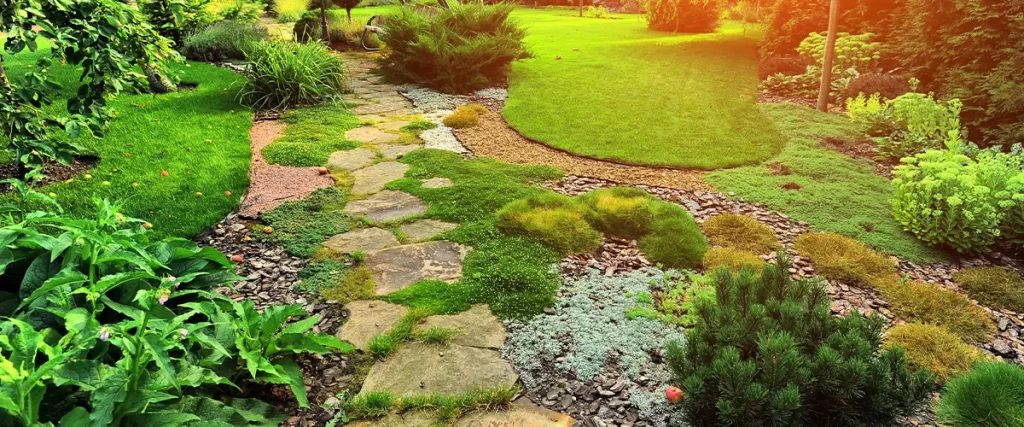
1. Start With a Solid Plan
Consider how you actually use your space. Do you need room for kids to play? Are you hoping to entertain guests on a patio? Maybe you just want less lawn to mow every week. Your answers will shape everything else.
Think about sun exposure, too. Watch how light moves across your property throughout the day, noting which areas get afternoon sun and which stay shaded. This will save you from buying plants that struggle or die because they’re in the wrong spot.
If you’re feeling overwhelmed by the planning phase, professional landscape design services can help you create a vision that works with your home’s unique features.
2. Get Your Soil Tested
Your soil is the foundation of everything growing in your yard, and you can’t fix what you don’t understand.
Contact your local extension office to get a soil test kit. The USDA’s Natural Resources Conservation Service offers great resources on soil health and testing. You’ll learn about pH levels, nutrient deficiencies, and what amendments your ground needs.
Once you know what you’re working with, you can add compost, adjust pH with lime or sulfur, or improve drainage. Healthy soil means healthy plants and less money spent replacing dead shrubs.
3. Choose Native Plants for Your Region
This key landscaping advice will save you time and money: stick with native plants whenever possible.
They’ve already adapted to your climate, soil, and local pests. They need less water and fertilizer, too. Plus, native plants support local wildlife like birds and pollinators.
Check what grows naturally in your area and build your planting beds around those species.
4. Layer Your Plantings for Depth
One of the best landscape tips for creating visual interest? Layers. Professional landscapers always use this technique.
- Start with tall plants like ornamental grasses or shrubs in the back of your garden bed.
- Move to medium-height perennials in the middle.
- Finish with low-growing ground covers or annuals up front.
This creates depth and makes even small spaces feel fuller.
Don’t forget about bloom times. Mix plant varieties that flower at different points throughout the growing season. Spring bulbs, summer perennials, and fall bloomers keep your yard looking fresh.
5. Mulch Properly Around Trees and Beds
Mulch makes your flower beds look tidy and suppresses weeds, holds moisture in the soil, and regulates ground temperature. But there’s a right way and a wrong way to apply it.
Keep mulch about three inches deep in planting beds. Too little and weeds push through. Too much and you suffocate plant roots.
Choose your mulch type based on what you’re trying to accomplish:
- Hardwood mulch breaks down slowly and looks classic
- Pine straw works great in acidic-loving plant beds
- Rubber mulch lasts forever, but doesn’t improve soil
- Gravel or rock works well in dry, low-water areas
6. Edge Your Beds for Clean Lines
Sharp edges between your lawn and garden beds make everything look intentional and maintained. It’s one of those yard maintenance tips that takes minimal effort but makes a huge visual impact.
You can edge manually with a half-moon edger or invest in metal or plastic edging for longer-lasting results. Metal edging tends to look cleaner and lasts longer than plastic, though it costs more upfront.
Clean lines also make mowing easier since you’re not guessing where the grass ends and the bed begins.
7. Think About Water From the Start

Water requirements vary wildly between plants. You should group plants with similar water needs together.
An irrigation system might seem like overkill, but a simple drip system can save water and ensure consistency. Your plants will thank you, and your water bill will, too. If a full system isn’t in your budget right now, soaker hoses offer a middle ground.
Pay attention to drainage as well. Standing water kills most plants faster than drought. If you have low spots that stay soggy, consider reshaping the ground or adding drainage solutions before you plant.
8. Create a Focal Point
Every good outdoor space needs a centerpiece. It might be a statement tree, a fountain, bird baths, a sculpture, or even an outdoor kitchen.
The key is intentionality. Choose one main feature per area rather than scattering ten different elements that compete for attention. In a front yard, this might be a beautiful tree near the entrance. In the backyard, maybe it’s a fire pit surrounded by seating.
9. Maintain Your Lawn Properly
Your grass is your yard’s canvas. Neglect it, and even the prettiest flower beds won’t save your curb appeal.
Here are some lawn care tips for beginners that make a real difference:
- Mow at the right height for your grass type. Most cool-season grasses do best at 2.5 to 3.5 inches. Cutting too short stresses the lawn and invites weeds.
- Keep your lawn mower blade sharp so you’re cutting cleanly.
Seasonal timing matters, too:
- Spring lawn maintenance focuses on clearing debris, aerating compacted soil, and applying pre-emergent herbicides before weeds sprout.
- Summer lawn care is all about proper watering. Deep but infrequent watering encourages strong roots.
- Fall lawn care includes overseeding thin spots and one last fertilizer application before winter.
- Winter lawn care is for prevention. Avoid walking on frozen grass and keep heavy objects off dormant turf.
10. Plan for All Seasons
The best landscaping projects consider what your yard will look like year-round.
Mix evergreens with deciduous plants, so you have structure even when trees lose their leaves. Choose shrubs with interesting bark or winter berries. Plant spring bulbs in the fall. Add ornamental grasses that look beautiful even when dried in winter.
Think about color, too. Cool colors like blues and purples recede visually, making spaces feel larger. Warm reds and yellows pop forward, creating energy and drawing attention. Use this to your advantage when planning what goes where.