

Pavers Vs Concrete Around Pool
Choosing between pavers and concrete for your pool deck is a big decision. Pavers offer beauty and flexibility, while concrete is known for its durability. This article compares cost, design options, and more to help you decide.
Keep reading to learn which is best for your pool area.
Key Takeaways
- Pavers cost more initially but offer design flexibility and easier repairs. They're durable and let water drain to reduce slipping.
- Concrete is cheaper at the start and needs less work to install over big areas. It can be made to look like stone or brick and lasts long with little care.
- Over time, concrete might crack needing fixes, while pavers have lower upkeep costs due to simple spot repairs.
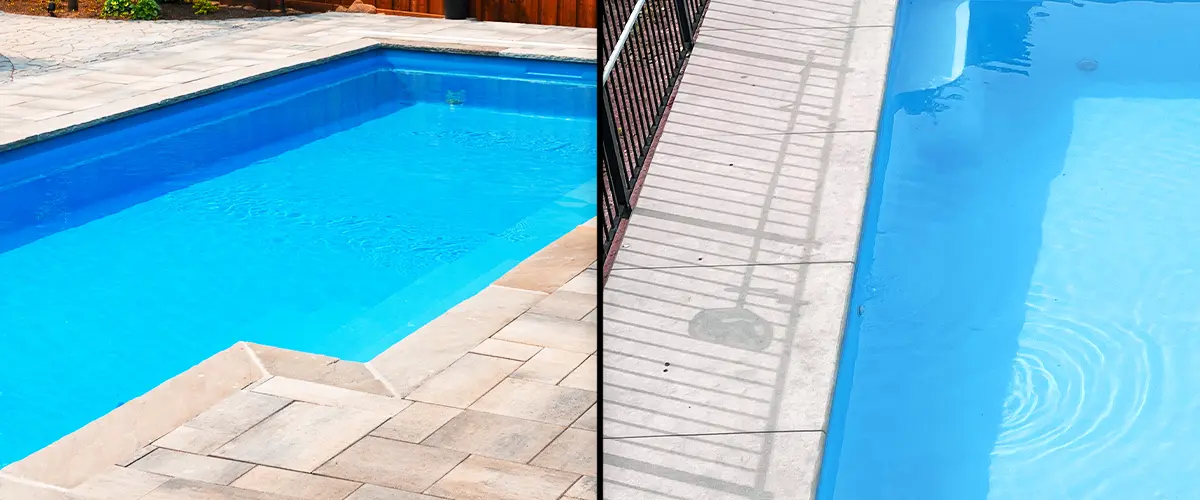
Overview of Pavers and Concrete for Pool Decks
When choosing between pavers and concrete for your pool deck, it’s important to understand the benefits each option offers. Pavers provide versatility while concrete offers customizable designs, both affecting the overall appearance and functionality of your pool area.
Benefits of Pavers
Pavers offer many benefits for pool decks. They come in a variety of materials like concrete, natural stone, and brick patios. This means you can pick something that matches your yard perfectly.
Pavers are also very durable. They stand up well to foot traffic and pool water. Unlike solid surfaces, pavers let water drain through. This reduces the risk of slipping around the pool.
Installing pavers does not usually cause cracks as seen with concrete slabs. If a paver ever breaks, you can easily replace just that piece instead of fixing a whole area. Plus, weeds have a hard time growing between well-installed pavers because polymeric sand keeps them out.

Benefits of Concrete
Concrete offers a solid choice for pool decks with its strong durability and low maintenance needs. It stands up well against pool chemicals and sunlight, helping it last longer without much wear. If you’re considering concrete for your pool, it’s worth exploring the pros and cons of a concrete patio, which can help you decide if it’s the right choice for your space.
Concrete can be designed in many ways to fit your style. With options like stamped concrete, you can get a look that mimics natural stone pavers or slate but at a lower cost. This versatility allows homeowners to choose patterns and colors that match their outdoor decor.
For those worried about slips around the pool, adding an anti-skid agent makes wet concrete safer to walk on. Despite worries about cracks, proper installation by an experienced pool contractor minimizes this risk.
Moving on from these benefits brings us to looking at how costs compare between pavers and concrete over time.
Pavers Vs Concrete Around Pool: Cost Comparison
Initial Installation Costs
Pavers cost more at the start than concrete. For a pool deck, pavers might cost between $16 and $24 per square foot. In contrast, pouring a concrete pool deck runs about $6 to $10 for each square foot.
The exact price depends on choices in material and design complexity. Pavers need a base of crushed stone and sand before installation, which adds to the initial expense. To learn more on that avoid these paver installation mistakes to save even more on the long-term costs.
Concrete can be less expensive because it often needs fewer materials to lay down over a large area. Also, the process of mixing and pouring concrete is straightforward, making it quicker and cheaper in labor costs than setting individual pavers.
Despite these costs, many homeowners choose pavers for their durability and aesthetic appeal or opt for concrete due its simplicity and lower upfront investment.
Long-term Maintenance Costs
Pavers typically require less long-term maintenance compared to concrete. Concrete may develop cracks over time, requiring repairs and potential replacement. On the other hand, pavers are easier to repair individually if necessary, reducing overall maintenance costs.
Regular sealing of concrete is essential to prevent staining and maintain its appearance, while can benefit from occasional reapplication of joint sand or paver sealant for optimal longevity.
When considering long-term maintenance costs around your pool area, opting for pavers can provide cost savings in the future.
Pavers Vs Concrete: Aesthetic and Design Options
In terms of the aesthetic and design options for pool decks, there are various choices available. Different textures, colors, and materials such as flagstone patio, travertine, and custom paver designs can be customized to enhance your pool area. These options provide a wide array of attractive landscaping features to transform your pool deck according to your preferences.
Variety in Pavers
Pavers provide a wide range of options to enhance your pool deck. From durable concrete pavers to charming natural stone like flagstone and travertine, there’s a plethora of choices for homeowners.
Various textures, colors, and patterns are available, offering flexibility in creating the perfect look for your pool area. Moreover, pavers come in various sizes and shapes, allowing you to unleash your creativity when designing your outdoor space.
Moreover, with pavers, you have the freedom to mix materials and colors if desired. This enables you to create intricate designs or highlight specific areas around the pool deck by using contrasting hues or patterns.
In addition, some paver options are equipped with anti-skid agents that help maintain safety around wet areas like pools while ensuring excellent drainage through joint spaces.
Customization of Concrete
After considering the variety in pavers, it’s worth noting that concrete also provides a range of customization options for pool decks. Concrete can be colored in base tones and even dual tones, offering homeowners the flexibility to customize the look of their pool deck to their liking.
Besides, various finishes such as broom texture or anti-skid materials can be integrated for safety and aesthetic purposes. Homeowners can include release agents to form designs and textures on the concrete surface, enhancing its overall appearance.
Through careful customization, concrete pool decks offer a personalized solution that caters to individual preferences while enduring against elements like pool water, sunlight, and frequent foot traffic.
This not just improves the visual appeal but also ensures longevity with minimal maintenance needs over time.
Top Manufacturers of Pavers and Concrete for Pool Decks
When choosing materials for pool decks, selecting reputable manufacturers ensures quality and durability. Here are some of the best:
- Belgard: Belgard is renowned for its innovative paver designs, offering a vast selection of styles and colours.
- Unilock: Provides high-quality concrete pavers with advanced technology for superior durability and aesthetic appeal.
- Acker-Stone Industries: Specializes in eco-friendly pavers, combining beauty and sustainability in their products.
- Oldcastle: Delivers a wide range of concrete solutions including pavers, slabs, and retaining walls for any landscape.
Pergola vs Arbor vs Trellis - FAQs
Pavers offer a unique look for your patio or driveway, but proper installation is crucial. Concrete, though it may crack over time, can be treated with anti-skid agents and broom finishes to enhance safety. For more information on the key differences, check out this comparison of concrete vs pavers.
Yes, both materials come in various colors. Pavers often have two colors blended together while concrete has a base color that can be re-applied as needed.
Consulting with a professional pool builder can help you understand the best option based on factors like durability, aesthetics, cost-effectiveness and maintenance requirements.
Concrete may need to be resealed every few years especially if cracks occur over time whereas paver joints might need to be filled occasionally if installed properly.
Anti-skid agents are commonly used on concrete surfaces however they can also be applied to paver installations for added safety around pools.
Experienced Professionals You Can Trust
Our team has been providing top-notch pool deck installation and maintenance services for years. Choosing the best ensures exceptional results that save you money over time. If you’re from Colorado and you’re ready to tackle your paver patio installation project with our industry experts, contact us at (720) 580-3677 to get started.